
By Eduardo Barrera - Senior Equitable Real Estate Development Lead
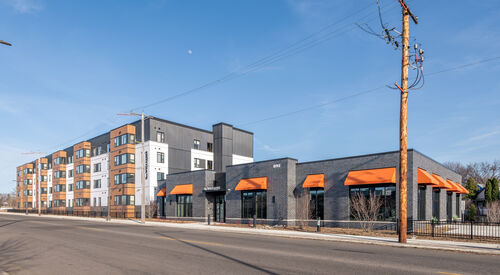
This month, we’re proud to celebrate the grand opening of The Williams, a meaningful milestone for Project for Pride in Living and for the East Side of Saint Paul.
This isn’t just another affordable housing development. The Williams represents a new chapter in how we think about housing, not simply as a place to live, but as a path to thrive.
Located along the East 7th corridor in Dayton’s Bluff, The Williams is a multigenerational, four‑story development with 60 affordable homes that are designed to reflect how families actually live today. It provides everything residents need to build stable, connected futures.
Why The Williams
The Williams is named in honor of Paul Williams and his family, whose legacy of leadership, service, and advocacy has shaped Saint Paul’s East Side across generations.
Paul served as Deputy Mayor of the City of Saint Paul, where he guided public policy and systems that strengthened neighborhoods and expanded opportunity. He later served as President and CEO of Project for Pride in Living, leading the organization for more than a decade with a steadfast belief that housing is about far more than shelter. For Paul, housing has always been about dignity, stability, and opportunity.
That belief is rooted in a deep family legacy of service.
Paul’s grandfather, Charles Williams Sr., was the first African American dentist to serve Saint Paul’s East Side. He provided care and built trust in a community that had long been underserved.
Paul’s father, Charles Williams Jr., carried these values forward through public service and advocacy. He served as a “referee” in Ramsey County Court, working closely with East Asian families who settled on the East Side by helping them navigate complex legal systems during critical moments in their lives. He was a prominent activist in the Rondo neighborhood, deeply engaged in the fight for equity, justice, and community preservation.
Through three generations, the Williams family has shown what it means to lead with purpose - to widen the circle, stand alongside communities, and ensure systems work for the people they are meant to serve.
That legacy lives on in this building.
The Image That Inspired the Logo
The Williams logo draws inspiration from the civil rights movement of the 1960s, when protestors carried signs declaring, “I AM HUMAN.” Paired with the rallying affirmation popularized by the Rev. Jesse Jackson, “I am somebody.” These words captured a shared demand for recognition, dignity, and equality at a time when all three were systematically denied.
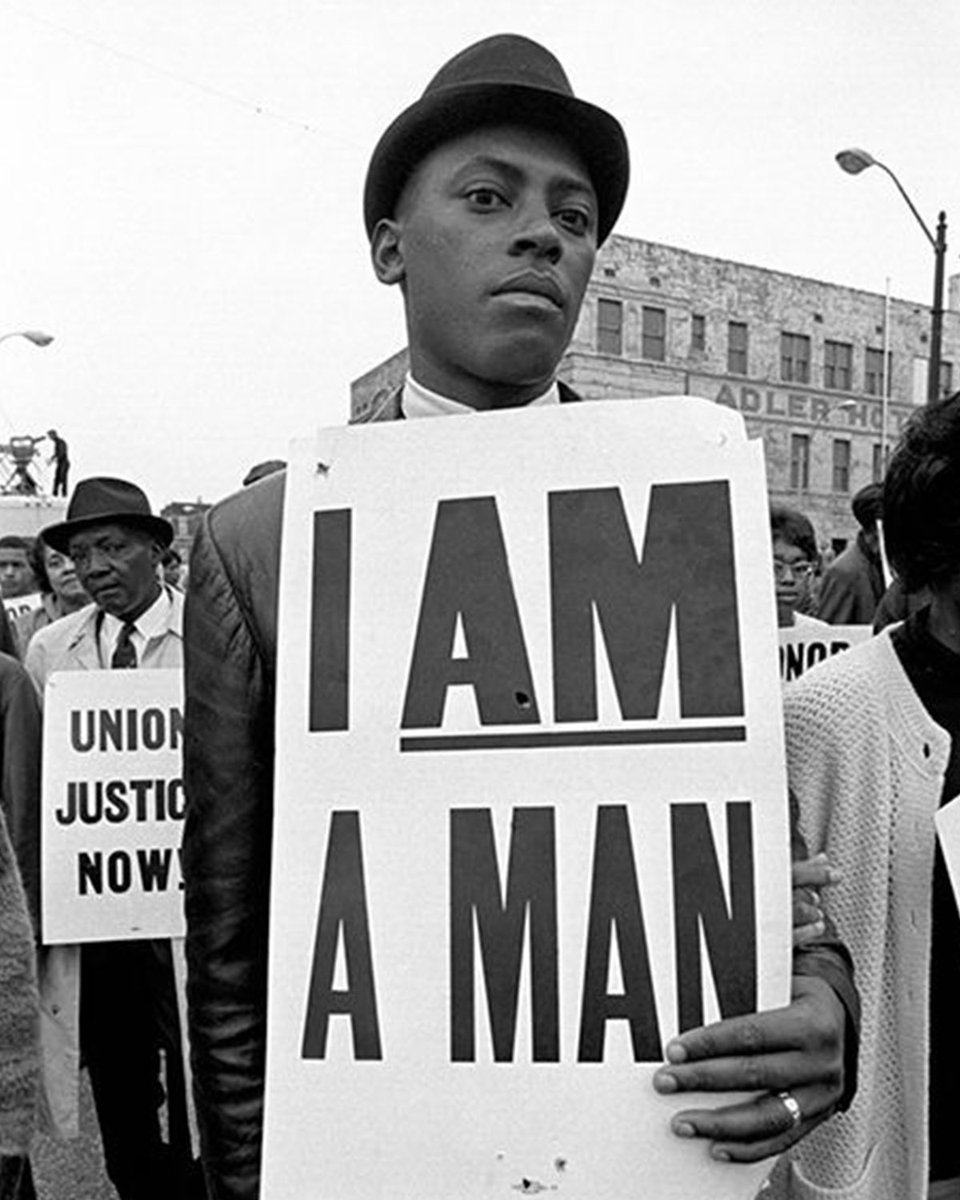
Both messages were simple, powerful assertions spoken in moments when dignity and humanity were routinely denied. They demanded recognition, not as a privilege, but as a right.
That spirit forms the foundation of The Williams’ visual identity.
If you look closely at the logo, you’ll notice that the letters “A M” in Williams are subtly underscored. It’s a quiet but intentional design choice, one that echoes those historic affirmations and reminds us that housing, at its core, is about seeing and honoring the full humanity of every person. Safe, stable housing isn’t just shelter; it’s a declaration of belonging, equity, and the fundamental truth that everyone is somebody.
Why Multigenerational Housing Matters
Multigenerational living isn’t new, but it is on the rise.
According to recent reporting from Good Housekeeping, more families across Minnesota and the country are living together under one roof. Grandparents, parents, and kids sharing space isn’t just a cultural tradition anymore. For many, it’s an economic necessity. Rising housing costs limited affordable options, and the high price of childcare and elder care are pushing families to combine households.
The problem lies in our existing system structure. Most housing wasn’t built to support multigenerational families and as a result, families end up in cramped apartments or homes that don’t meet their needs. The Williams addresses this challenge head-on by including spacious, flexible 1-5-bedroom units designed for multi-generational households. Because when families can live together comfortably, they thrive.
A Model for the Future
The Williams also shows what’s possible when environmental responsibility and affordable housing move forward together. The building sits on a former 3M site that was once contaminated and long viewed as unusable. Through environmental cleanup and remediation, the land was restored and made safe — transforming a space shaped by its industrial past into a place where families can now live and thrive.
That commitment to sustainability continues in the building itself. The Williams incorporates green, energy‑efficient features — including rooftop solar, high‑efficiency heating and cooling systems, motion‑sensor lighting in common areas, improved insulation, and durable, sustainable materials. Together, these choices reduce the building’s environmental footprint while supporting long‑term affordability through healthier homes and more predictable utility costs.
By pairing land restoration with energy‑efficient, multigenerational affordable housing, The Williams reflects a broader vision for the future — one rooted in repair, reinvestment, and building in ways that benefit both people and the place.